While both boats and yachts are used for recreation on the water, they serve very different purposes in practice. For many people entering the market for the first time, the distinction can feel a bit unclear. At a glance, many vessels can look similar, which makes it easy to overlook the details that actually matter.
In this article, we’ll go over the key differences between boats and yachts, the types you’ll commonly see on the market, and how to decide which option is the right fit for your needs.
What Is the Main Difference Between a Yacht and a Boat?

Yachts and boats are two terms that inexperienced buyers tend to use interchangeably. While they may look similar at first glance, there is a clear difference between them once you look a little closer. For most people, the first thing they notice is the size difference, since yachts are generally larger.
That said, size is only part of the picture, and it helps to understand how it is actually used to classify these vessels.
Yacht vs Boat Size Difference
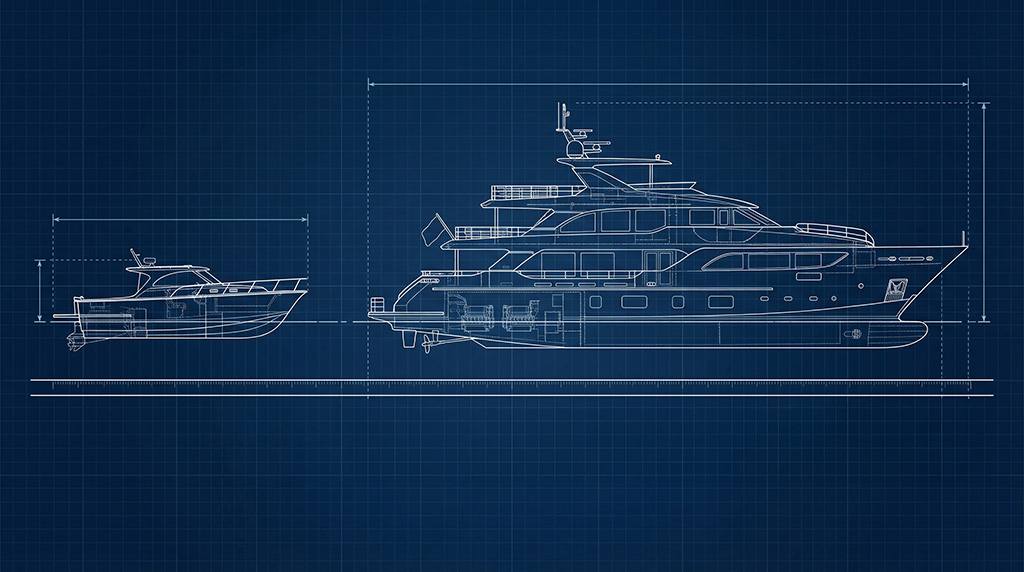
One of the most common ways to distinguish a yacht from a boat is by size. As a general rule, vessels over 40 feet are often considered yachts, while those below that range are typically classified as boats. This guideline is widely used in the industry because larger vessels tend to offer more space, better onboard amenities, and the ability to handle longer trips.
However, it’s important to note that this guideline is not a strict rule, and there are many exceptions depending on how a vessel is designed and used.
Size can give you a rough idea, but it does not account for layout, onboard systems, or the level of comfort the vessel provides. In some cases, a smaller vessel may feel more like a yacht, while a larger one may still function as a basic boat.
What Makes a Boat a Yacht?

All yachts fall under the broader category of boats, but not all boats are classified as yachts. When trying to understand what makes a boat a yacht, it helps to think beyond size and consider how you plan to use it.
Yachts are designed to make time on the water feel more comfortable and less constrained. Instead of just getting you from one place to another, they’re designed to let you slow down and actually enjoy the time onboard. You’ll find proper sleeping spaces, a place to prepare meals, and areas where people can sit, talk, and unwind without feeling like they’re in a tight, functional setup.
On the other hand, boats are generally designed to keep things simple and easy to manage. They work well for shorter outings, whether you’re heading out for a few hours, going fishing, or just spending time on the water without needing much extra space.
Types of Boats vs Yachts: Which Option Is Right for the Way You Cruise?
Knowing the difference is one thing, but choosing the right option is where it really matters. Not every vessel is built for the same purpose, and the right choice often depends on how often you go out, who you bring with you, and what kind of experience you want to have.
Common Boat Types
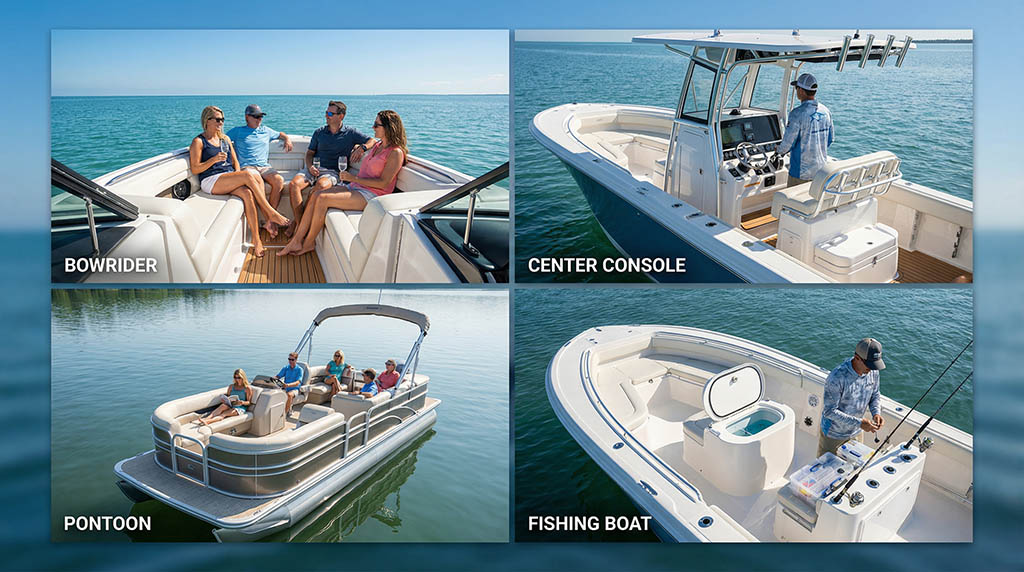
- Bowriders: These are a popular choice for casual outings. They feature seating at the front, which makes them great for small groups who want to relax, swim, or enjoy a day on the water without needing a lot of extra space.
- Center Consoles: Known for their versatility, center consoles have a steering station in the middle, which allows for easy movement around the boat. They’re often used for fishing but also work well for general day trips.
- Pontoon Boats: These are built for comfort and space. With wide seating areas and a stable design, they’re ideal for slow cruising and social gatherings, especially on calm waters.
- Fishing Boats: Designed with a clear purpose, these boats come equipped with features like rod holders and open deck space. They’re built to make fishing easier and more efficient.
Common Yacht Types

- Motor Yachts: These are the most common type for a reason. They run on engines, so there’s no need to plan around wind or changing conditions. You also get more usable space inside, which makes a difference if you want to stay out longer or have people onboard without it feeling tight.
- Flybridge Yachts: Recognizable by their upper deck, flybridge yachts offer an elevated driving position along with extra seating and lounge space. They’re popular for those who enjoy open views and want additional room for guests.
- Sailing Yachts: If you want a calmer, more hands-on experience, sailing yachts offer something very different from motor yachts. They rely on wind for most of their movement, so the ride feels quieter. They appeal to owners who enjoy the skill and rhythm of sailing, not just the convenience of getting from one point to another.
- Explorer Yachts: Built for longer journeys, explorer yachts are designed with range and durability in mind. They’re ideal for buyers who want to travel farther and spend extended time on the water without feeling limited.
How to Decide Between Yachts vs Boats: Expert Tips for Buyers

Buying your first vessel is exciting, but it can also be hard to know what makes sense for your situation. A lot of buyers get stuck choosing between a boat and a yacht because both can look good on paper.
Here’s a clear way to evaluate your options when looking for yachts for sale.
1. Match the vessel to the length of your typical outing
If most of your trips are 3 to 6 hours and you’re heading back the same day, a boat is usually the smarter choice. You’re paying for less space, less maintenance, and fewer systems you may never use.
If your goal is weekend cruising, overnight stays, or full-day entertaining, a yacht becomes much more practical. The extra cabin space, storage, and onboard facilities stop feeling like luxuries and start feeling like necessities.
2. Think in terms of “usable space,” not just length
Two vessels can both be 38 feet and feel completely different onboard. One might have an open deck with minimal seating, while the other has a cabin, galley, and separate sleeping area.
Instead of focusing on length alone, ask how much of the vessel is actually usable for the way you plan to spend time onboard. If you want to host, eat, and relax comfortably, layout matters more than the number on the spec sheet.
3. Factor in your passenger count at peak use, not average use
A lot of buyers plan around the idea of “usually just two of us,” then end up bringing friends or family most weekends. That’s when a vessel starts to feel too small.
Choose based on your busiest day, not your quietest one. If you expect to host four to six people regularly, you’ll want more seating, more shade, and enough room to move around without everyone bumping into each other.
4. Decide whether you want a “day platform” or a “floating base”
A boat is often a day platform. You head out, enjoy a few hours, and return. A yacht works more like a floating base. You can stay overnight, prepare meals, take breaks indoors, and extend your time on the water without needing to rush back.
This is one of the clearest ways to decide. If your ideal day includes downtime, privacy, and flexibility, a yacht is usually the better fit.
5. Budget for the ownership pattern, not just the purchase price
The real cost difference shows up after the sale. A yacht will usually cost more in dockage, insurance, seasonal prep, and maintenance because there are simply more systems to service.
Before deciding, estimate your annual costs in the same way you would with a home or vehicle. If the yearly expenses feel uncomfortable on paper, they will feel worse in practice. It is better to buy one size below your maximum budget and enjoy it fully.
Explore Your Options with Luxury Yacht Sales Toronto
The biggest mistake buyers make is assuming the right choice is always the bigger one. In reality, the right choice is the one that matches your routine on the water. If your plans involve quick day trips, a boat may be all you need. If you want to stay out longer, host guests, and enjoy more comfort, a yacht is likely the better option. The clearer you are about your priorities, the easier it is to make a decision.
If you’re still weighing your options, it helps to see what’s actually available on the market. Luxury Yacht Sales Toronto offers a range of vessels across different sizes, styles, and price points, giving you a better sense of what fits your needs.